
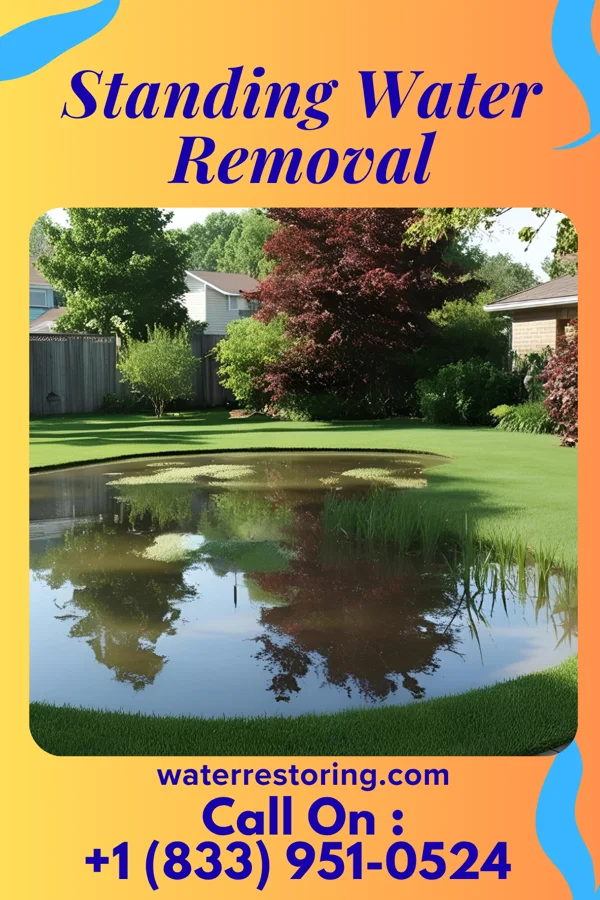
Why Airport Road Addition Standing Water Demands Fast Removal
Most water damage emergencies in Airport Road Addition start with Airport Road Addition, Texas is prone to water damage due to its rural location and proximity to agricultural land, which can lead to irrigation runoff and drainage issues. Heavy rainfall events, common in the region, can overwhelm local drainage systems, causing water to pool around homes and commercial properties.. A close second is Poorly maintained septic systems and underground utility lines in the area can also contribute to water infiltration. Additionally, the region's flat terrain allows water to accumulate in low-lying areas, increasing the risk of prolonged moisture exposure.. From the second water touches the property, every minute changes what gets saved and what gets ripped out.
The semi-arid climate of Brooks County, with occasional intense thunderstorms, creates a high risk of sudden water intrusion. These weather patterns can lead to rapid saturation of soil and structures, requiring immediate remediation to prevent long-term damage.
Most standing water removal calls in Airport Road Addition come from Airport Road Addition, Texas is prone to water damage due to its rural location and proximity to agricultural land, which can lead to irrigation runoff and drainage issues. Heavy rainfall events, common in the region, can overwhelm local drainage systems, causing water to pool around homes and commercial properties.. Running a close second is Poorly maintained septic systems and underground utility lines in the area can also contribute to water infiltration. Additionally, the region's flat terrain allows water to accumulate in low-lying areas, increasing the risk of prolonged moisture exposure.. Local mold risk: Mold growth can begin within 48 hours of water intrusion in Airport Road Addition, making prompt action critical to prevent health risks and structural damage. The region's warm and humid conditions accelerate mold development, especially in poorly ventilated spaces.